
COMPORTA
Comporta 2026: Why This Destination Has Become Europe’s Slow Travel Capital
Long before slow travel became a documented trend in travel industry reports, Comporta—a preserved enclave south of Lisbon—was already practicing what the rest of the world is only beginning to seek: the art of treating time as something precious rather than something to optimize.
In 2026, the way travelers approach their holidays has fundamentally changed. According to a Kayak study published this year, 68% of Millennial and Gen Z travelers now rank mental disconnection among their top travel priorities. Slow travel—staying longer in one place, immersing yourself in a destination rather than ticking it off a list, choosing depth over schedules—is no longer a niche alternative. It has become the new standard for meaningful travel.
And within this new landscape, Comporta finds itself exactly where it has always been: ahead of everyone else, without ever trying to be.
Slow Travel in 2026: A Shift in Travel Mindsets
To understand why Comporta has become Europe’s benchmark for slow travel, it is important to look at what is happening globally.
The travel industry is undergoing a profound transformation. After years of overtourism, frantic city breaks, and endless attraction checklists, something has shifted.
Travelers are increasingly seeking quieter, longer, and more immersive stays. They want accommodations that are destinations in themselves—places worth staying in rather than constantly leaving to explore. They are moving away from overcrowded hotspots and toward destinations where nature still dictates the pace, where there is no rigid itinerary, and where luxury is measured in decibels of silence rather than stars displayed on a hotel façade.
The industry now has a name for this movement: the quietcation—a type of travel designed to suspend time, slow down, and reconnect with what truly matters.
Comporta embodies this philosophy perfectly.
Why Comporta Is the Ultimate Slow Travel Destination
A Territory That Naturally Resists Acceleration
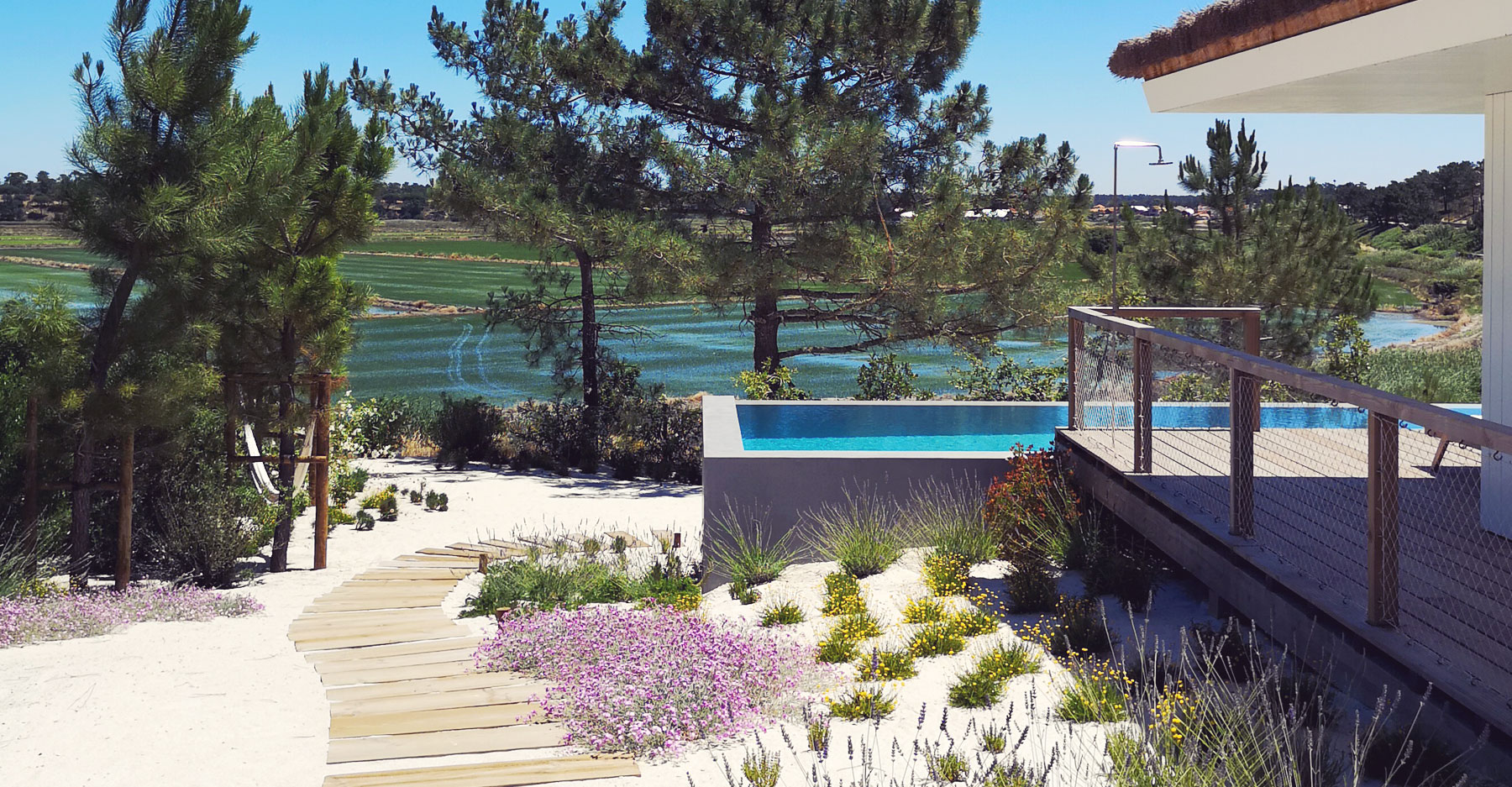
Comporta did not need to reinvent itself to meet changing traveler expectations. It simply continued being what it has always been: a protected, low-density destination safeguarded by nature reserve status and strict architectural regulations that prevent large-scale resort developments.
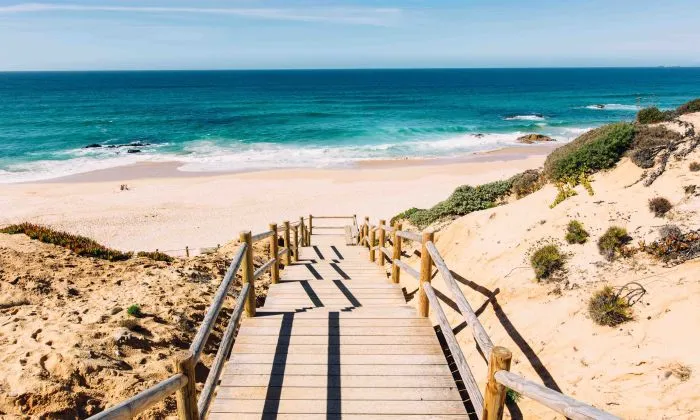
The result is remarkable. There are no concrete beachfronts, no sprawling commercial promenades, and no beach clubs competing for every remaining stretch of sand. There is only nature: rice fields, pine forests, dunes, and the Atlantic Ocean.
This resistance to mass tourism is precisely what makes Comporta unique.
At a time when more travelers are actively seeking alternatives to overcrowded destinations, Comporta offers something increasingly rare: space.
The Light, Rice Fields, and the Alentejo Lifestyle
There is something about the light in Alentejo that alters your perception of time.
It is softer, warmer, and more expansive than almost anywhere else in Europe. In the morning, it slowly rises over the rice fields, turning them into mirrors. In the evening, it sinks behind the pine trees, bathing the landscape in a golden glow tinged with melancholy.
Between these moments, days seem longer—not because there is more to do, but because time itself feels stretched, as though the destination has decided to offer you more of it.
This sensory dimension lies at the heart of the slow travel Comporta experience. People do not come here simply to see things; they come here to feel a place.
And right now, few European destinations do that better.
A Destination That Remains Exclusive Despite Its Growing Reputation
Comporta has gained significant international recognition in recent years.
Major hospitality brands are gradually establishing a presence in the region, new luxury hotel openings continue to attract attention, and experienced travelers have long since added the destination to their personal maps.
Yet unlike many destinations that have been transformed by their own popularity, Comporta has preserved its identity.
This is due to several factors: the size of the territory, strict building regulations, a local culture rooted in discretion and privacy, and above all, nature itself, which imposes natural limits on expansion.
In Comporta, development cannot happen anywhere and everywhere.
And that is precisely what protects the destination from becoming another overdeveloped coastal hotspot.
Slow Travel in Comporta: What It Looks Like in Practice
In Comporta, slow travel takes shape through simple habits that gradually create an entirely different way of experiencing a destination.
Stay Longer and Let the Destination Reveal Itself
The first rule of slow travel Comporta is simple: stay longer than three nights.
It is only after the second or third day that the destination truly begins to reveal itself.
The first hours are dedicated to discovery and decompression. Then, usually sometime on the second morning as you make your way back to the beach without rushing, something changes.
Your body slows down.
Your mind follows.
And Comporta stops being a backdrop and becomes an environment.
Slow travelers typically spend between five and fourteen days in a single destination. In Comporta, even a week barely feels enough to explore the villages of Comporta, Carvalhal, Brejos, Melides, and their surroundings, discover your favorite beaches, identify the restaurants worth returning to, and settle into a rhythm of life.
Live in a Private Villa Instead of Passing Through a Hotel Room
This is where one of the most important distinctions between slow travel and traditional tourism becomes apparent.
Accommodation is not merely a place to sleep. It becomes the center of gravity of the entire experience.
And for that to happen, it must provide something even the finest hotel room cannot fully offer: complete freedom.
This is exactly what Espirito da Comporta villas are designed to provide.
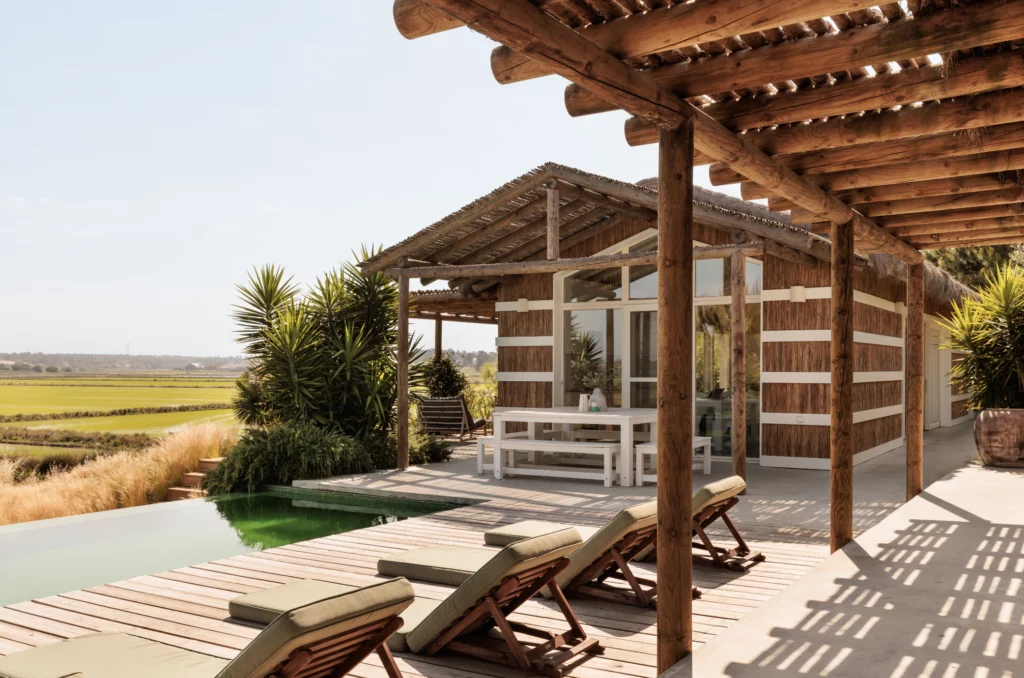
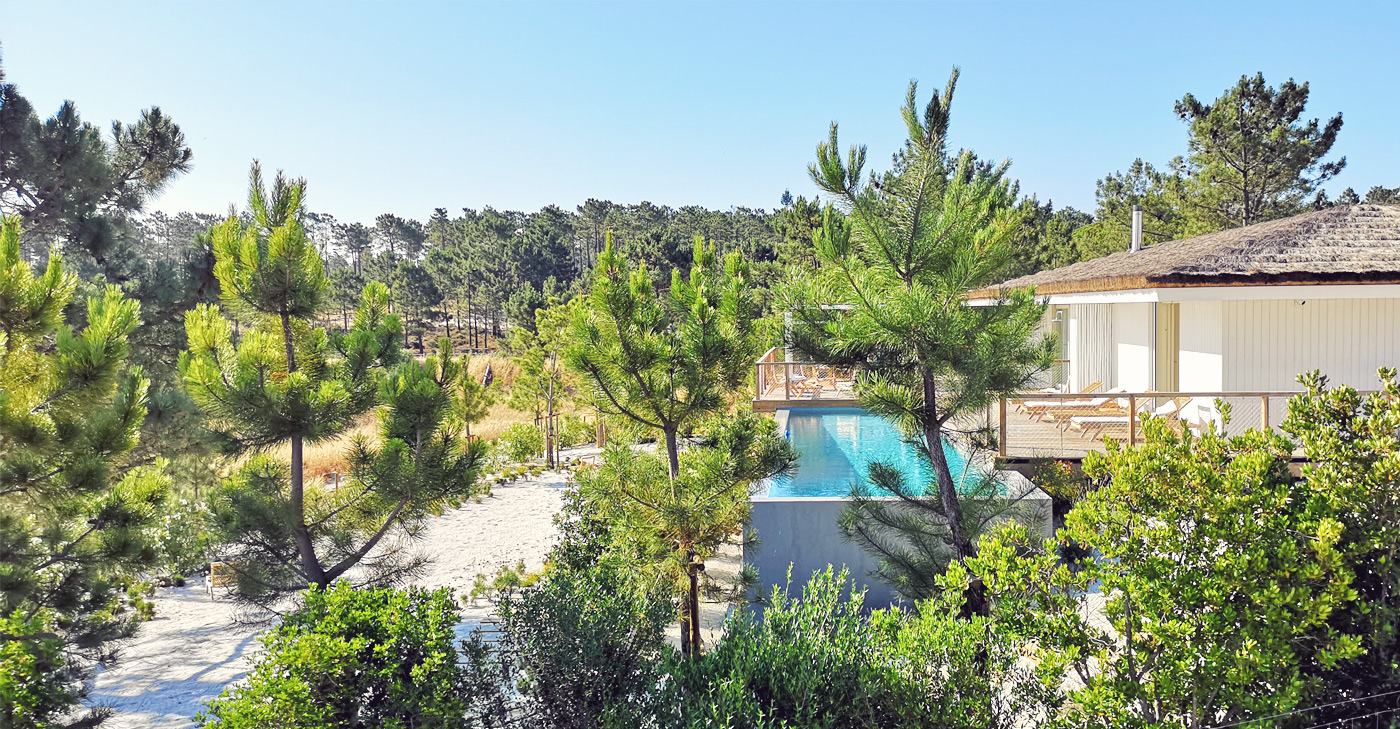
Inspired by the region’s traditional fishermen’s cottages—with weathered wood, thatched roofs, and generous openings toward nature—they offer a complete living environment perfectly aligned with the philosophy of slow living.
No breakfast schedules.
No neighboring tables at dinner.
No hotel corridors.
Just a house, a private pool, rice fields or pine forests, and silence.
These villas allow visitors to make Comporta a temporary home rather than a stop along the way.
And that is precisely what slow travel is about.
Eat Local, Cycle Everywhere, and Read by the Water
The beauty of slow travel lies in the details.
In Comporta, cycling between villages instead of driving, choosing a restaurant based on the catch of the day rather than Michelin stars, spending an entire afternoon on the beach without checking your phone, or wandering through the Grândola market on a Saturday morning all contribute to a more authentic travel experience.
The destination naturally encourages this lifestyle.
Distances are short.
Bike paths weave through the rice fields.
Most beaches can be reached on foot or by bicycle.
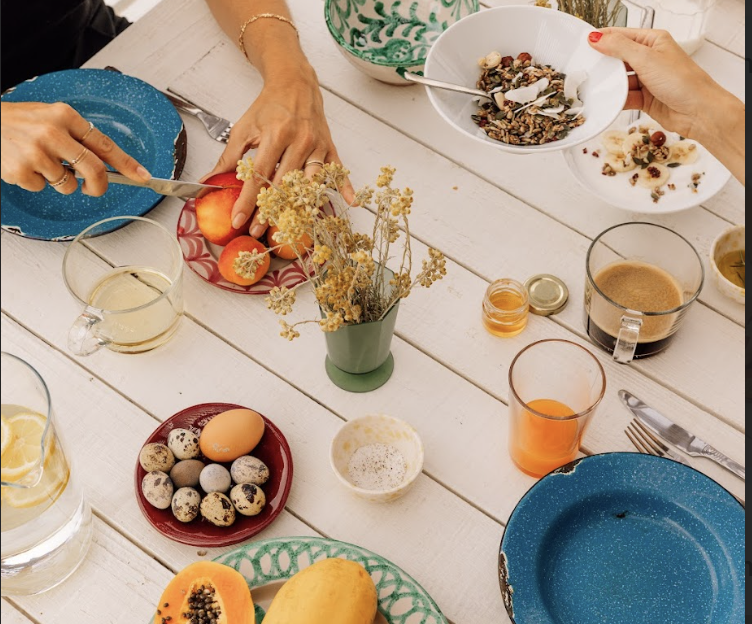
And the local gastronomy—from Sado Estuary seafood and Alentejo wines to garden-grown vegetables—offers every reason to eat slowly and well.
Comporta Beyond Summer: Slow Travel at Its Purest
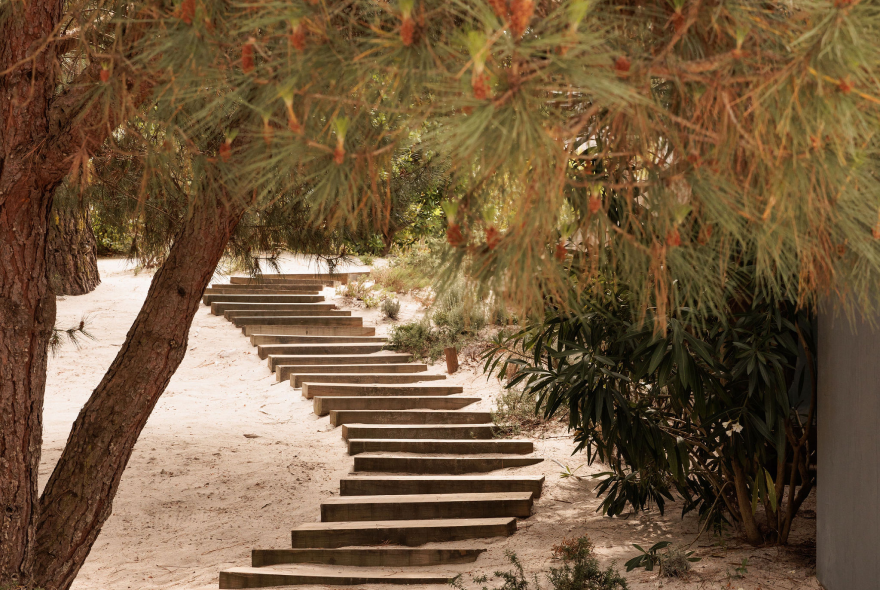
Although summer remains Comporta’s most visible season, spring and autumn reveal a more intimate, contemplative, and almost secret version of the destination.
In April, the rice fields return to life.
The light becomes extraordinary—soft, low, and cinematic—while visitor numbers remain moderate.
You can walk along Comporta Beach for an hour without crossing paths with another person.
Restaurant tables are easy to secure.
Roads remain quiet.
And the rhythm of life moves even closer to the ideal of slow travel.
September and October extend this feeling with lingering summer warmth, a still-inviting ocean, and a more reflective atmosphere marked by the amber light that defines Alentejo’s most beautiful season.
For travelers seeking a slow travel Comporta experience outside peak season, villa availability is greater, rates are often more attractive, and the experience tends to feel deeper and more authentic.
These are the seasons when the destination reveals its true character.
Why Comporta Endures While Other Destinations Fade
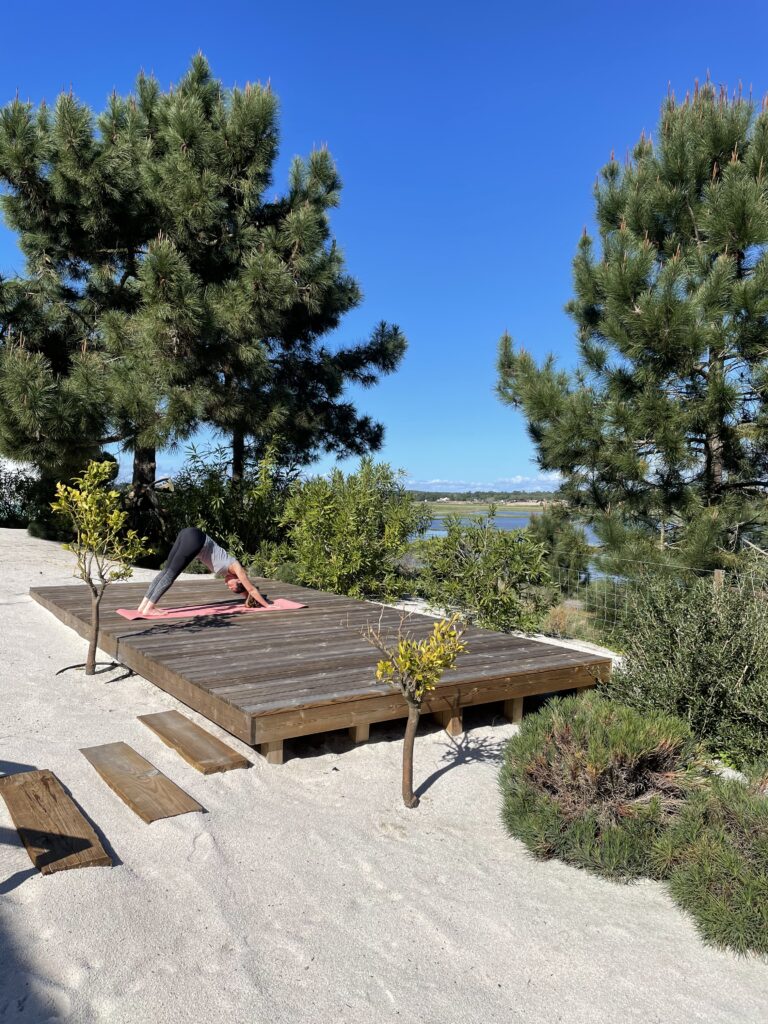
There is something paradoxical about Comporta’s trajectory.
The more visibility it gains, the more distinctive it becomes.
It welcomes exceptional new addresses, attracts increasingly demanding international travelers, and yet continues to feel unlike any comparable European destination.
The explanation may lie in what the Portuguese call saudade—a uniquely Portuguese way of inhabiting time and space that has no perfect translation.
In Comporta, this gentle melancholy exists in the air, the light, and the pace at which people live and speak.
It gradually affects travelers who stay long enough to experience it.
And perhaps that is the truest definition of slow travel Comporta:
Staying long enough for the destination to leave a mark on you.
Long enough that, once you return home, the time spent there feels like far more than just a holiday.
Planning a slow travel stay in Comporta?
Discover Espirito da Comporta’s private villas overlooking rice fields and pine forests, available for weekly and extended stays, and experience the destination entirely at your own pace.
L'expérience de Comporta
Comporta with Kids: The Ultimate Guide to Family Holidays in Portugal
Découvrez Comporta
- Juin 2026
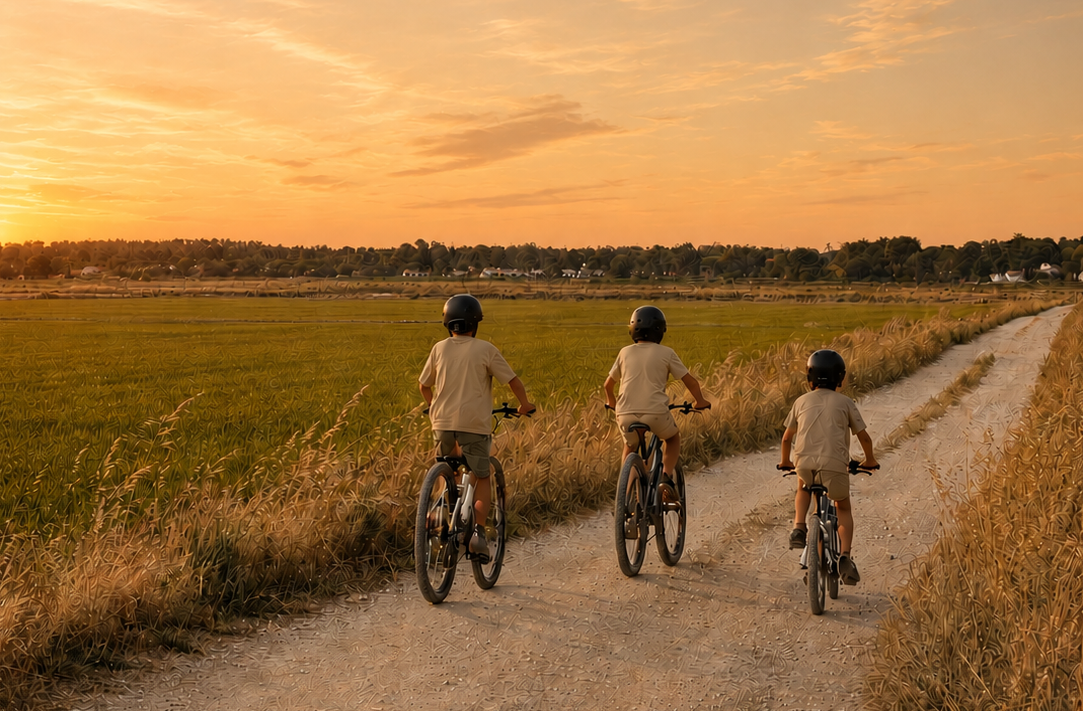
Planning a family holiday in Portugal? Comporta is one of the country’s best-kept secrets, offering pristine beaches, peaceful surroundings and luxury family villas with private pools. Whether you’re travelling with toddlers or teenagers, renting a villa in Comporta gives your family the freedom, comfort and space to enjoy an unforgettable holiday on Portugal’s Atlantic coast.
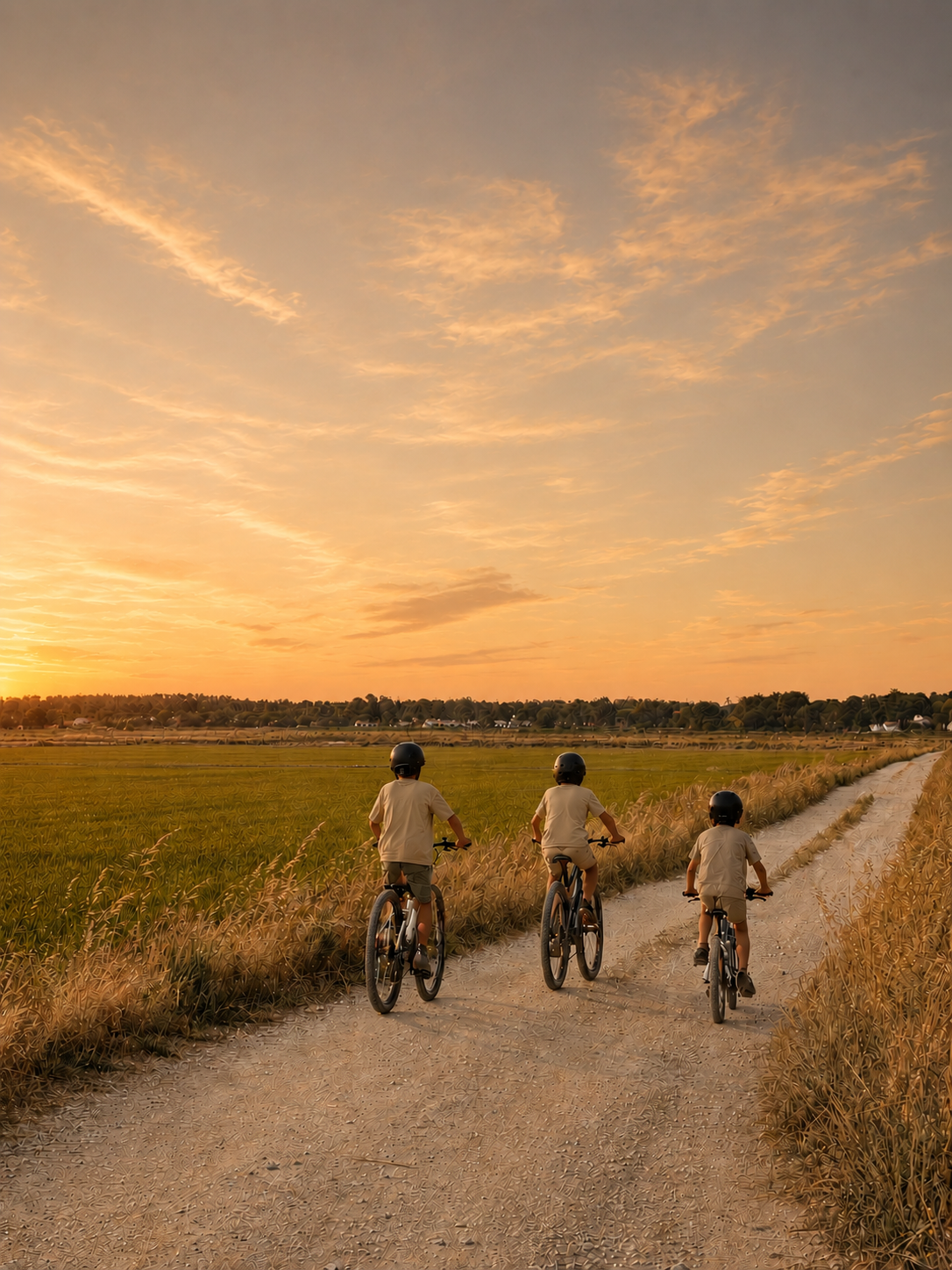
Comporta avec des enfants : pourquoi louer une villa s’impose comme le meilleur choix
Découvrez Comporta
- Juin 2026
Nichée entre l’océan Atlantique et la forêt de pins de la péninsule de Setúbal, à moins de deux heures au sud de Lisbonne, Comporta a longtemps été le secret jalousement gardé d’une certaine élite européenne. Mais ce qui en fait aujourd’hui l’une des adresses les plus convoitées pour les familles, c’est précisément ce que les
Workation à Comporta : pourquoi travailler depuis une villa au Portugal change tout
Découvrez Comporta
- Juin 2026
Le mot est entré dans le vocabulaire du travail contemporain avec la même discrétion que la pratique elle-même : le workation. Contraction de work (travail) et vacation (vacances), il désigne cette façon désormais assumée de conjuguer missions professionnelles et dépaysement total, entre WiFi performant et coucher de soleil sur l’Atlantique. Et si cette tendance a

Vous devez être connecté pour poster un commentaire.